Houston
Greater Houston independent and parochial schools that accept the ISEE, from the Inner Loop to Sugar Land and The Woodlands: entry grades, levels and test policy.
Read →ISEE only, required for applicants to grades 5–12 (ISEE levels: Lower Level, Middle Level, Upper Level); applications close January 15, 2027.
Plan the application to Saint Thomas' Episcopal School →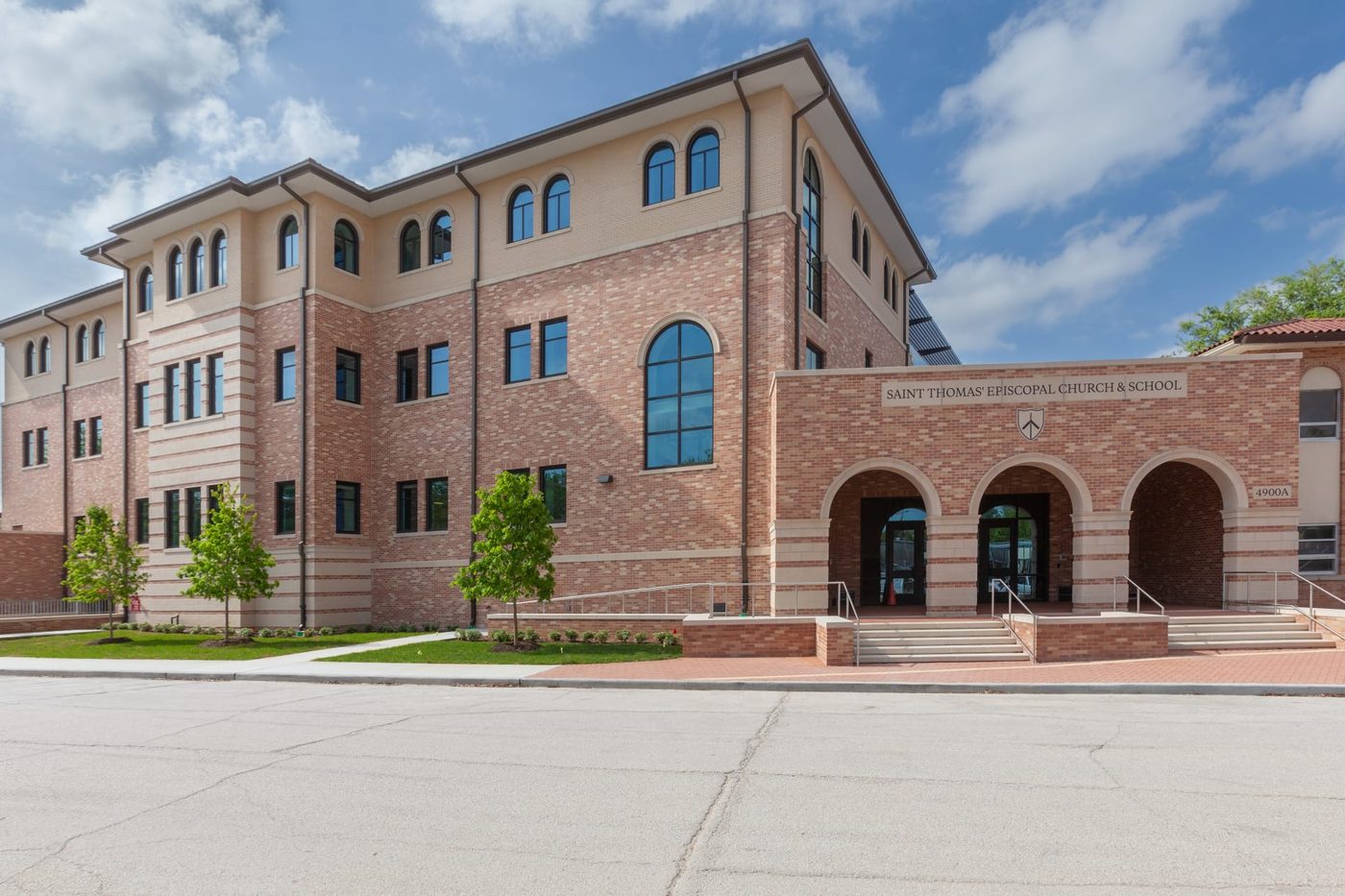
Saint Thomas' Episcopal School, a coeducational Episcopal day school for pre-kindergarten through grade 12 in Houston, lists the ISEE for applicants to grades 5 through 12 and names no alternative test and no waiver. Applicants to grades 5 and 6 take the Lower Level, grades 7 and 8 the Middle Level, and grades 9 through 12 the Upper Level. Scores go to the school using its school code, and a family interview takes place on campus. The priority application date falls in January. This is not an official school page.
The application deadline is January 15, 2027. A student may test once per season and up to three times in a school year; online results usually arrive in 3–5 days and paper results in 5–10 days. What follows is an ISEEPrep teaching recommendation, not a rule of the school or of E3n; actual dates are those shown in the registration account.
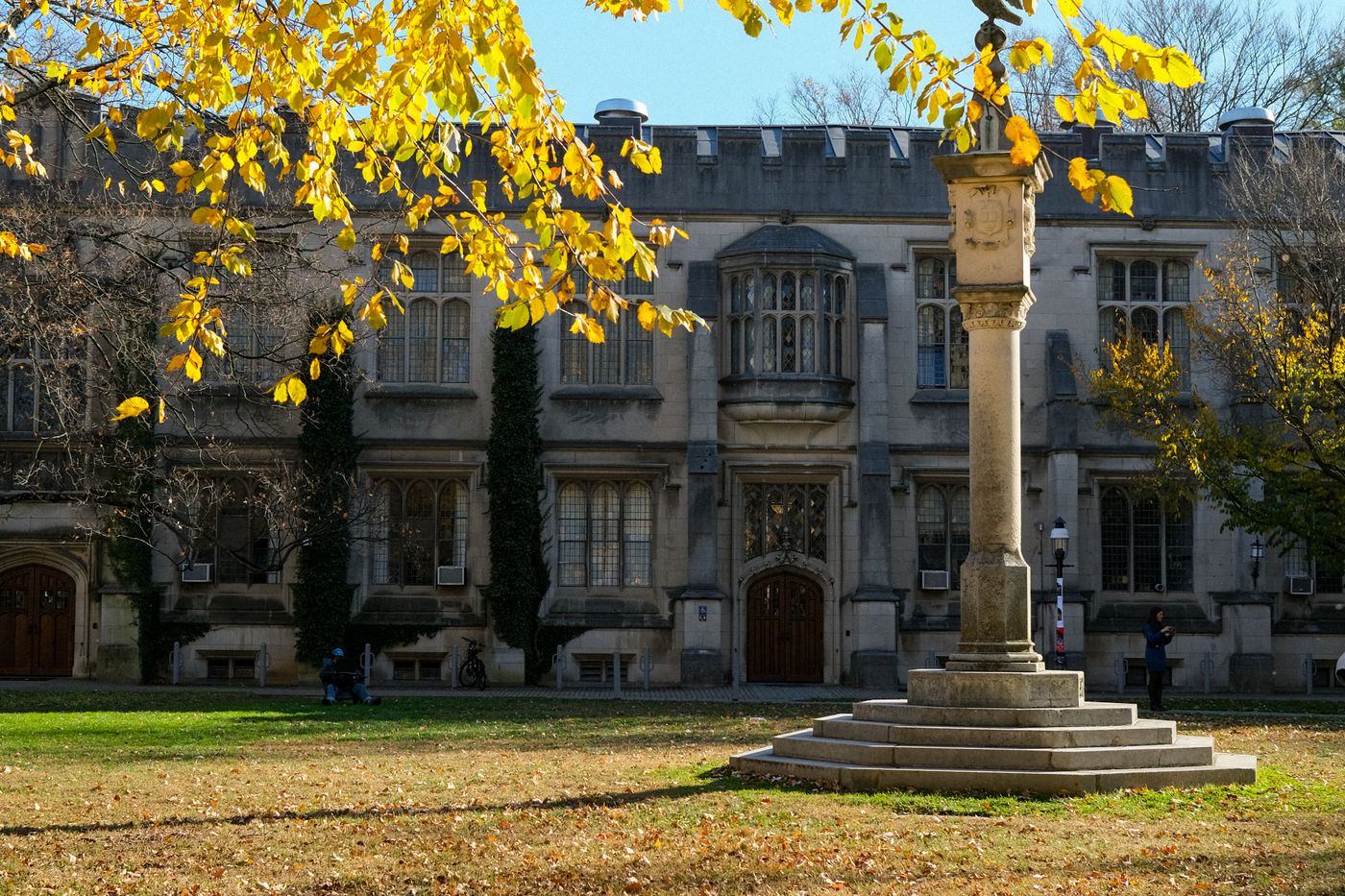
“Saint Thomas' Episcopal School forms honorable men and women through a classical education grounded in a Christ-centered worldview.”Mission statement, from the school’s site
Transcribed from the school’s own checklist, without comment.

Applying to grade 9 means taking the
Applying to grades 9–12, usually in grades 8–11. Applicants to the other entry grades take the Lower Level, Middle Level. The level follows the grade the student is applying to enter, not the grade attended now.
What the Upper Level covers →Saint Thomas’ Episcopal School asks applicants to grades 5 through 12 to take the ISEE. The Application Process page places it in the step for registering for a placement test, lists no alternative and no waiver, and asks that scores be sent to the school. The page does not use the word required, so the sensible reading is to plan the ISEE as part of the file. The entry grade sets the level: grades 5 and 6 take the Lower Level, grades 7 and 8 the Middle Level, and grades 9 through 12 the Upper Level. The level follows the grade being applied for, not the current grade. Applicants may sit the test at any school that offers the ISEE or take it at home; what matters to the school is that the report arrives.
This section is an ISEEPrep teaching recommendation, not a rule of the school. The Application Process page gives two dates: a priority application date in January and a file-completion date in February that includes test results. It gives no separate scores-due date, so this plan counts back from January. A fall test in October or November puts the report in hand before then and leaves time to confirm that the school received it. An early winter date can still land before the February date, which makes it a sound fallback, though it leaves little room if anything goes wrong on test day. The page does not say whether results from more than one sitting are read, so confirm that with the admission office before planning a second attempt. The test dates page explains how the seasons are arranged.
This section lists the other parts of the file as the school’s pages state them, without judging what the school prefers. The online application comes first. Academic records follow: report cards for grades 1 through 9 or transcripts for grades 10 through 12, covering at least two years where available. Applicants to grade 6 and above provide two teacher recommendations, one mathematics and one English. The family interview takes place on campus, and the applicant attends with one or both parents. The school describes a classical education grounded in a Christ-centered worldview and is a parish school of Saint Thomas’ Episcopal Church. Questions about how that background shapes daily school life are for the admission office, since the pages say nothing further.
Three readings come up in consultations about this school. First, the absence of the word required does not make the test optional: the page lists the ISEE, lists nothing else and mentions no waiver. Second, one test policy across grades 5 through 12 does not mean one level, and younger applicants sit other assessments entirely, so a family with a child in grade 3 should not prepare for the ISEE yet. Third, the January date is a priority application date, not the last day for scores; a student who tests in winter should ask how a score arriving after that date is handled.
Choose the level by entry grade, Lower, Middle or Upper, then use the study plans page to count back from January to a start date. Other Houston schools that accept the ISEE are listed on the Houston page.
The following restates what the school publishes on its own site, without comment; the school’s current pages govern.
Saint Thomas' Episcopal School is a coeducational, classical Christian PK–12 parish school of Saint Thomas' Episcopal Church in Houston, founded in 1955. The school reports an average enrollment of about 645 over the last three years (Preschool 75, Lower School 185, Middle School 200, Upper School 185), an average graduating class of 45 and a student-teacher ratio of 7.4 to 1. All students and faculty attend daily chapel; the school welcomes students of all faith traditions or none.
The school describes its curriculum as Christian classical, covering English, classical and modern languages, history, philosophy, mathematics, arts and science. Middle School (grades 6–8) electives include performing and visual arts, foreign languages, debate, computer programming and robotics. Upper School offers 22 AP courses and electives such as Latin, Chinese, Spanish, Logic, Speech, Computer Science, Ten Pillars of Economics, bagpiping and drumming; grades 6–12 follow an eight-class Monday with six rotating classes Tuesday–Friday.
The Scottish Arts program, in place since the late 1950s, includes a Pipe Band (bagpipes and drums from fourth grade) and Highland Dance, which is part of the Lower School curriculum and an elective in higher grades. Other offerings are choirs in all three divisions, string orchestras (violin, viola or cello from Lower School), theatre productions from Lower School on, and visual art from Kindergarten.
The school is a member of the Texas Association of Private and Parochial Schools (TAPPS); the student Sports Club organizes the student section and an annual Powder Puff game. Sports fees are billed separately from tuition. Team-by-team details are hosted on a separate athletics site.
A K–12 House System awards points for participation, behavior, academic effort and competition toward an annual House Cup. Clubs include Student Ambassadors, a Student Delegate Council, the HOPE service club, Girls Club, Robotics, World Culture Club, Junior Classical League, Mock Trial, Quiz Bowl, HOSA and the Duke of Edinburgh's International Award; seventh and eighth graders may join Junior Cotillion on campus, and Upper School Tutors & Study Buddies help younger students after school.
College counseling begins in ninth grade with a full-time college counselor. The school publishes a list of college acceptances (not matriculations); the names below are the first 20 from that list in alphabetical order. the school’s published list
Tuition $24,765–$32,970 (2026-27) · Kindergarten through Grade 12 rates listed on the page; tuition does not include lunch, uniforms, activities, sports or schedule-specific costs · tuition page
2026–27 tuition ranges from $24,765 (preschool) to $32,970 (Upper School), excluding lunch, uniforms, activities and sports; a 5% sibling discount applies. Need-based financial aid is assessed through FACTS Grant & Aid, and the school participates in the Texas Education Freedom Accounts (TEFA) program. International students needing an I-20 pay an additional $10,000 in the first year and $3,000 in later years.
Source: the school’s own site, checked 2026-10-02. [1] [2] [3] [4] [5] [6] [7] [8] [9]
For grades 5 through 12, yes in practice. The Application Process page names the ISEE in its test registration step, lists no alternative test and no waiver, and asks that scores be sent to the school. The page does not use the word required, so a family should plan an ISEE date rather than assume the test is optional.
The level follows the grade the student is applying to enter. Applicants to grades 5 and 6 take the Lower Level, applicants to grades 7 and 8 take the Middle Level, and applicants to grades 9 through 12 take the Upper Level. The grade the student attends now does not set the level.
No. The Application Process page assigns different age-appropriate assessments to those grades and names the ISEE only from grade 5. A family with a younger child should not buy ISEE preparation yet.
No. The page says applicants may test at any school that offers the ISEE or take the test at home. In either case the family sends the report to the school using the school code given on the page.
The page lists a priority application date in January and a file-completion date in February that includes test results. It gives no separate scores-due date. A fall test in October or November puts the report in hand before January, and an early winter date remains a fallback.
The online application, report cards or transcripts covering at least two years where available, two teacher recommendations (one mathematics, one English) for grade 6 and above, and a family interview on campus. The applicant attends the interview with one or both parents.
Last reviewed 2026-10-01 · Next review 2027-01-31 · Reviewed by ISEEPrep teaching team
An advisor works from this school’s stated requirements and deadlines to give a written plan: level, season and order of preparation.
Share the grade the student is applying to and an email address. An ISEE advisor replies within one business day with a written recommendation: which level to take, how to schedule the seasons and which section to work on first. The consultation is free and involves no admission promises.
You are looking at the application to ; the advisor will work from that school’s stated requirements.
Details such as target schools and test timing can be added after you submit, or discussed when the advisor contacts you.